

Exhibition Showcases Over 300 Items from Mongolian Students Who Studied in Europe 100 Years Ago
Art & Culture
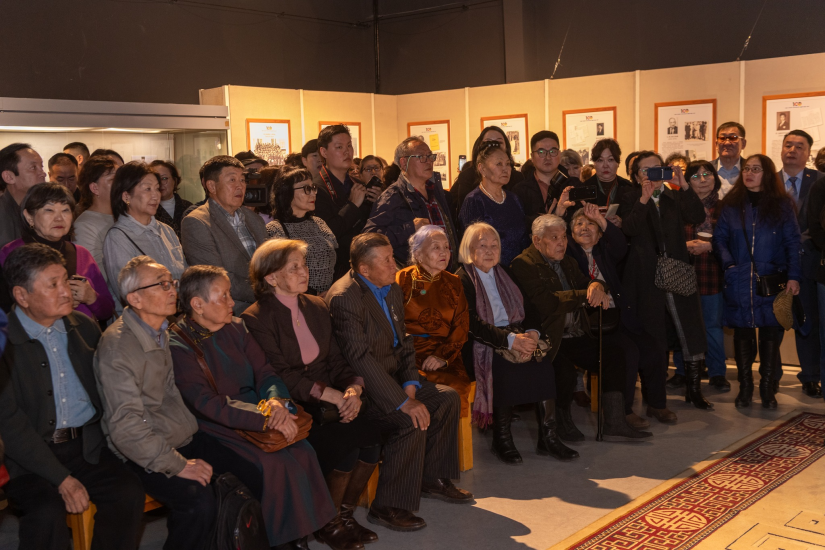
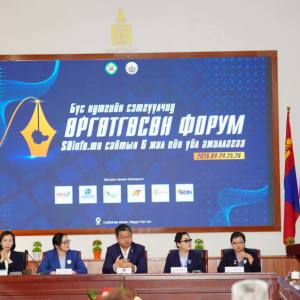
Ulaanbaatar, April 17, 2026 /MONTSAME/. A special exhibition titled “Those Who Went Abroad to Study: 100” opened on April 15 at the National Museum of Mongolia, marking the 100th anniversary of Mongolian students beginning their studies in Western Europe.
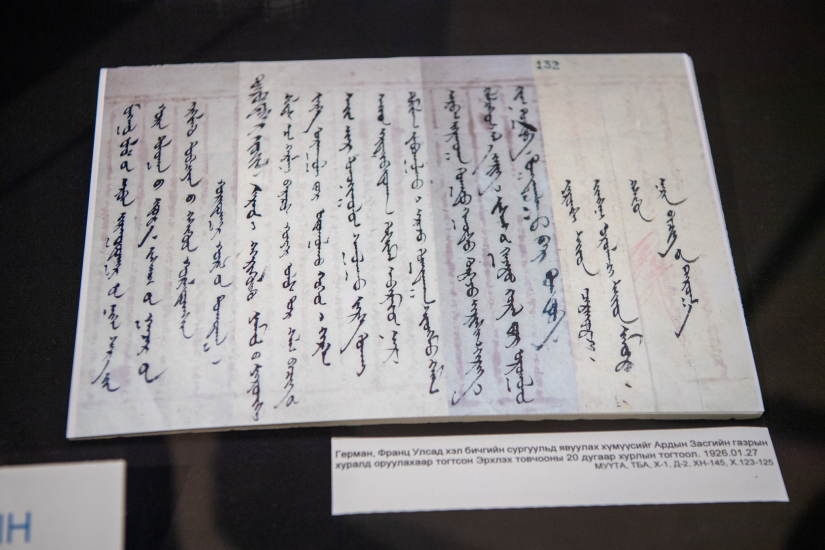
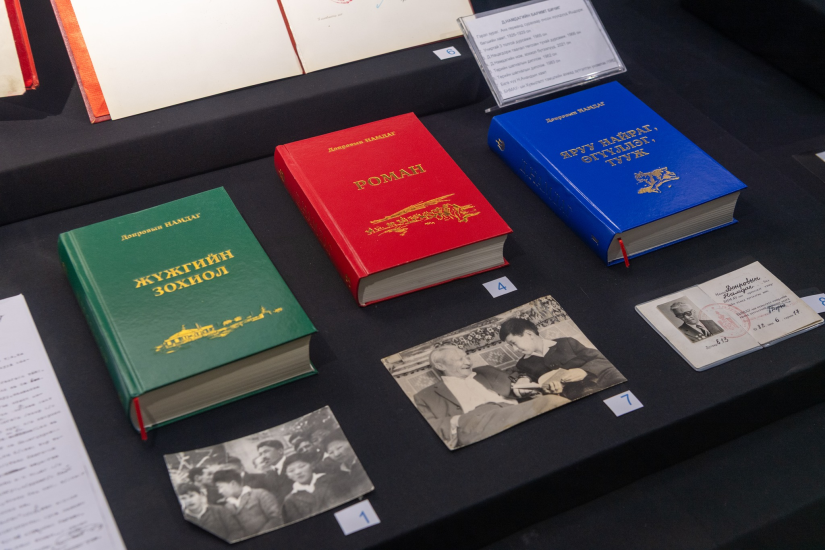
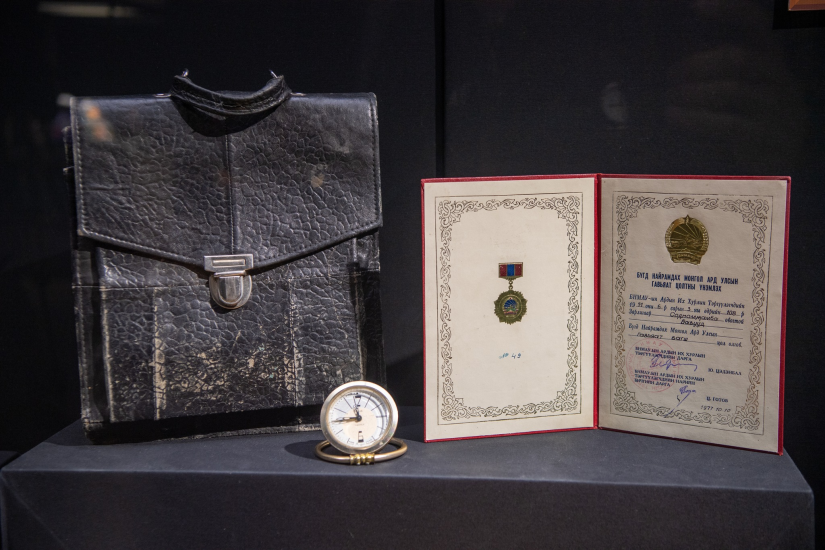
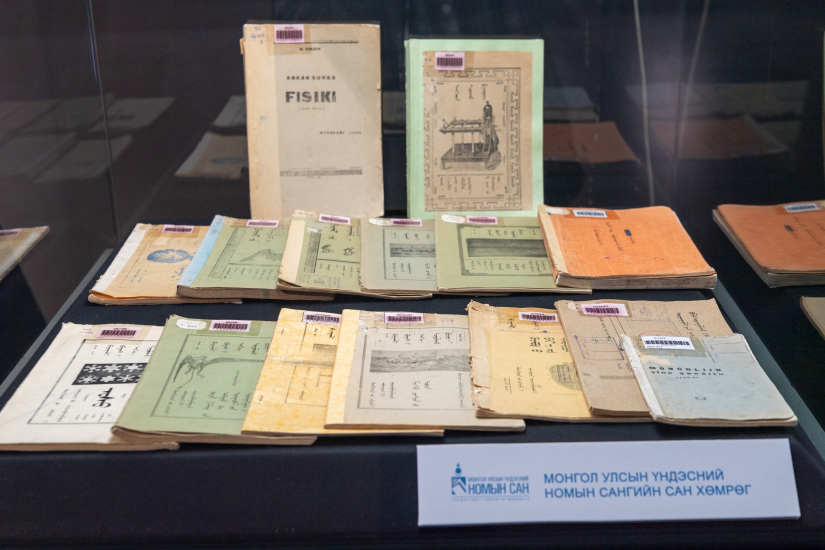
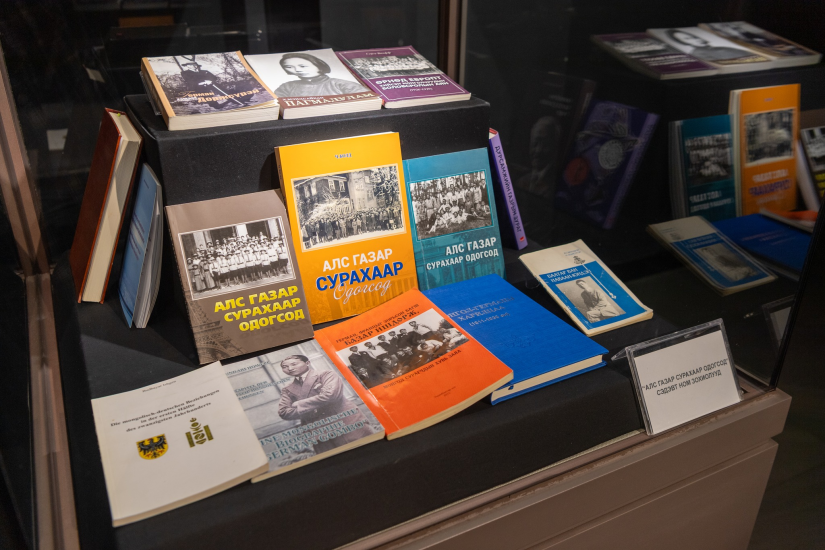
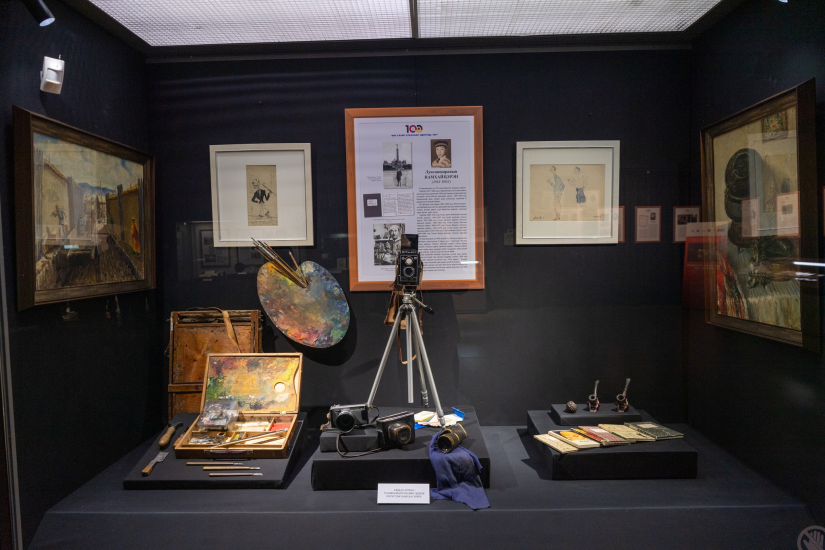
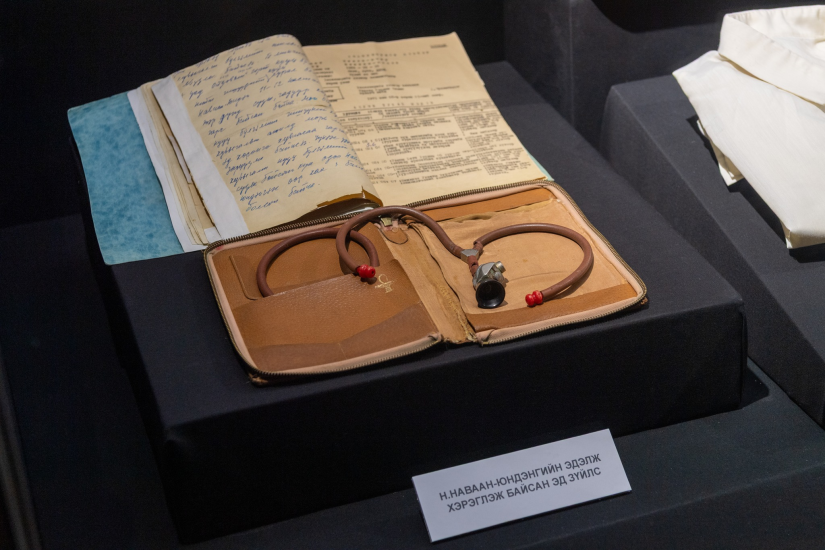
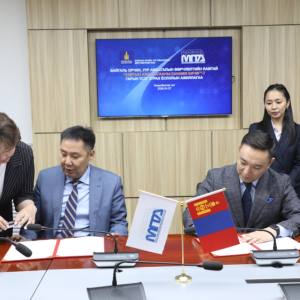
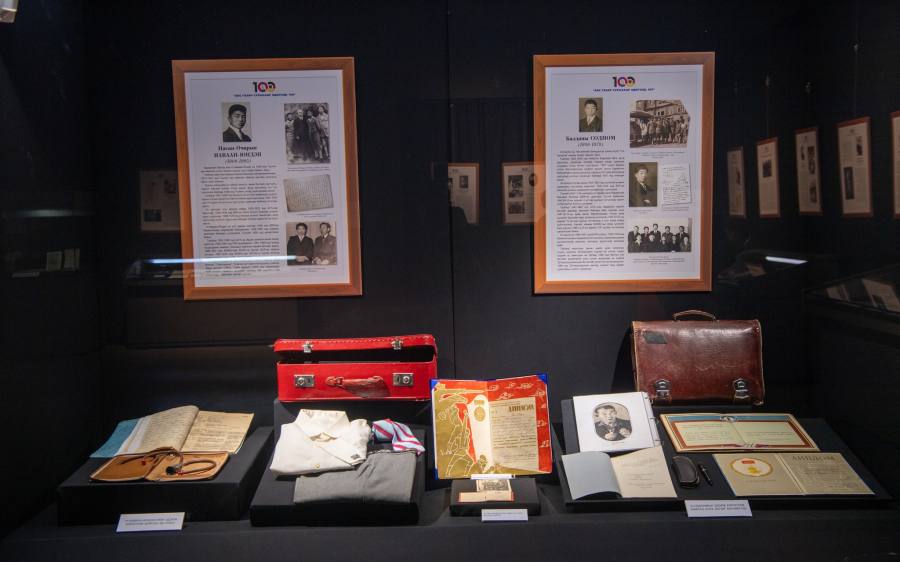
The exhibition is jointly organized by several institutions, including the General Authority for Archives, the National Museum of Mongolia, the State Commission on Rehabilitation, the National Central Library, the Central Archives of Foreign Affairs, and the Special Archives of the Directorate of General Intelligence. More than 300 exhibits are on display, many shown to the public for the first time. These include clothing, personal belongings, and handwritten materials used by Mongolian students who studied in Europe a century ago.
For instance, exhibits include official documents related to then-Administration of Mongolian students in Germany and France, maps, typewriters, posters, passports of students, correspondence with foreign institutions, case files of repressed teachers and students, and historical photographs. The exhibition also features personal items preserved by the families of students who studied in Germany and France between 1926 and 1930, as well as rare photos from the private collection of researcher and journalist Bold Ch.
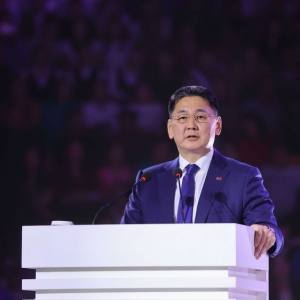
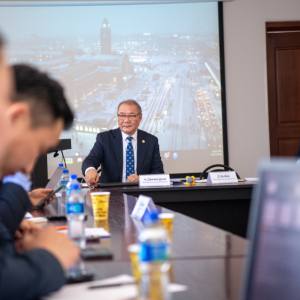
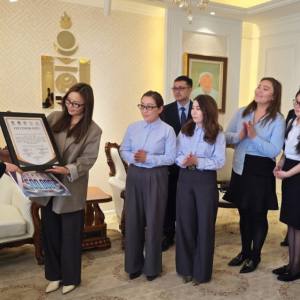
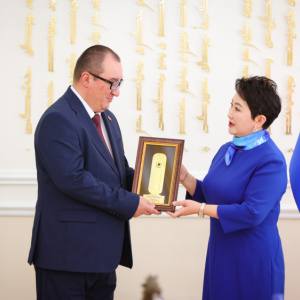
At the opening,
Director of the National Museum of Mongolia Otgonsuren D. noted that students
who studied in Germany and France later returned home and made significant
contributions to Mongolia’s development, becoming leaders in various fields.
She emphasized that the exhibition will help strengthen cultural and
educational ties between Mongolia and Germany.
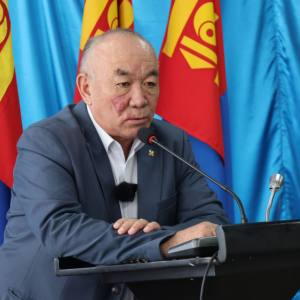
According
to Nyamgerel L., head of the General Authority for Archives, Mongolia’s
archives hold important historical records, including documents related to 35
young people sent abroad in 1925 to study in developed countries.
She said, “Following the 1921 People’s Revolution, the government began implementing policies to train educated professionals. One key effort was to send students to countries like Germany and France. Many intellectuals, who have made valuable contributions to the Mongolian state, society, culture, and arts emerged from these young people. Therefore, this exhibition is not only about showing the history of a certain era, but also about providing accurate information to future generations in order to educate them. We will further continue to organize regular and productive research and publicity activities to make these historical facts known to the public."
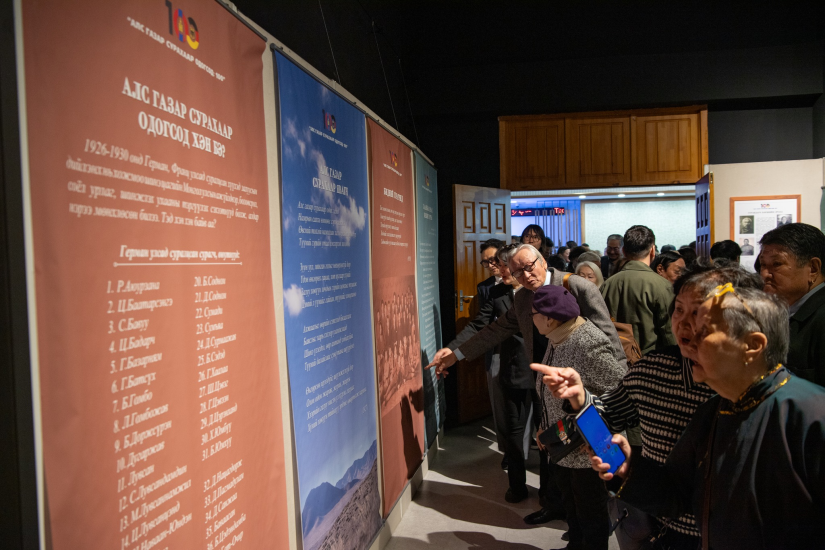
In 1926, 35 students aged between 13 and 25 went to Germany and France for education. Most studied in Germany, while a few went to France. Although they studied in various fields in 1926-1930 and were exposed to western culture, they were later forced to return under pressure from the Soviet Union and the Comintern.
Many of these students later faced political repression—some were executed, imprisoned, or died under suspicious circumstances. Despite the hardships, many of these students became prominent intellectuals and pioneers in Mongolia, contributing greatly to fields such as literature, art, science, and industry.
Among them were the great writer Natsagdorj D., State Honored Painter Namkhaitseren L, writer Namdag D., one of the first academicians and Honored Veterinarian Ayurzana T., the first People’s Teacher Batsukh G., the first Mongolian film director Natsagdorj T., the first Doctor of Geological Sciences Dugersuren J., writer and translator Navaan-Yunden N., the first engineer of the State Printing House Baatarsenge Ts., author of the German-Mongolian dictionary Tseveg Sh., and others.
The exhibition will be open to the public until April 26.