

Discussing Protection of Critically Endangered Species
Environment
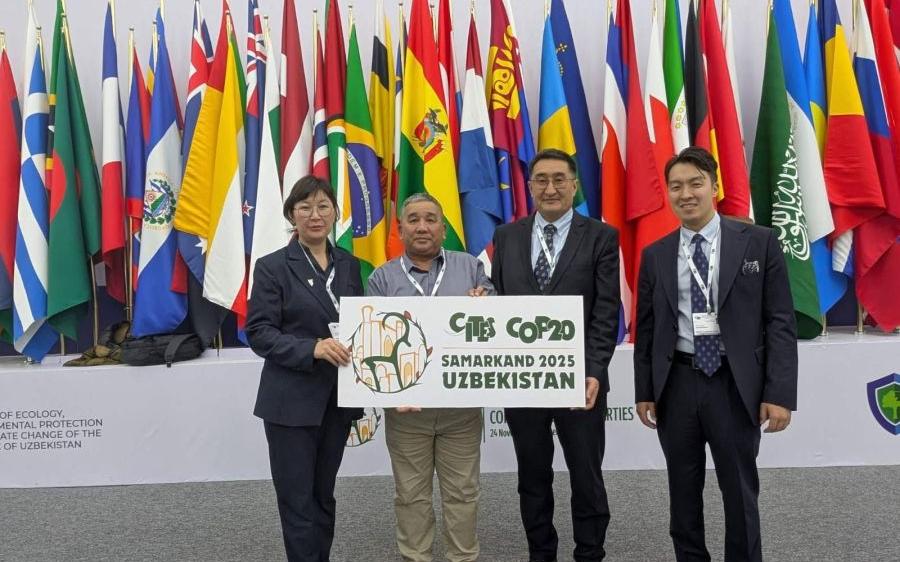
Ulaanbaatar, December 2, 2025 /MONTSAME/. A team of specialists led by Baljinnyam Tudevdorj, Director General of the Natural Resources Policy and Sustainable Management Department at the Ministry of Environment and Climate Change of Mongolia, is participating in the 20th Meeting of the Conference of the Parties to the Convention on International Trade in Endangered Species of Wild Fauna and Flora (CITES).
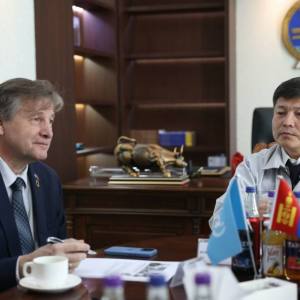
During the meeting, which is taking place in Samarkand, Republic of Uzbekistan, from November 24 to December 5, 2025, Mongolian experts met with Mr. Thomas Deleuil, Legal Affairs Officer at the CITES Secretariat. They provided an update on Mongolia’s revised draft Law on Regulating the Export of Endangered Animals, Plants, and Derivatives, and exchanged views on its key provisions, the Ministry reported.
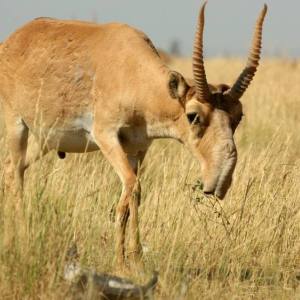
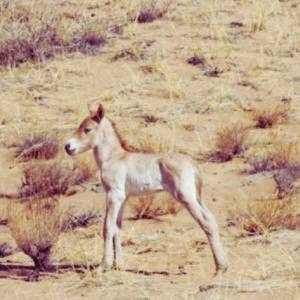
The officials also held meetings with Dr. Susan Lieberman, Vice President for International Policy at the Wildlife Conservation Society (WCS); Mr. Brian R. Nesvik, Director of the U.S. Fish and Wildlife Service; as well as representatives of the Ministry of Ecology and Environment of the Russian Federation, the European Union, and the Forestry and Wildlife Committee of Kazakhstan. The discussions focused on research, cooperation, and management of the saiga antelope and Mongolian saiga, as well as the use of advanced technologies for tracking and digital registration. The parties also spoke about enhancing joint efforts to protect critically endangered species.
The 2025 meeting coincides with the 50th anniversary of CITES and is being held for the first time in Samarkand, a historic gateway of the Silk Road in Central Asia. The conference brings together representatives from more than 180 countries to review achievements, challenges, and future decisions in conserving the world’s wild flora and fauna. CITES Secretary-General Ivonne Higuero emphasized, “Samarkand stands as a symbol of international dialogue and cooperation, reflecting the core values of CITES. We honor half a century of tireless work to protect wildlife from the threats posed by international trade. The principles that were vital in 1975 remain equally—if not more—important today.”
Throughout the meeting, parties are discussing proposed amendments to the CITES Appendices, strengthening biodiversity conservation management, enhancing cooperation in enforcement, advancing the implementation of the CITES Strategic Vision 2030, improving national legislation, and addressing regulatory gaps that negatively affect conservation efforts.
The Convention on International Trade in Endangered Species of Wild Fauna and Flora (CITES) was adopted on March 3, 1973, and entered into force on July 1, 1975.
A total of 184 States are Parties to the Convention, committing to reduce illegal and unregulated wildlife trade and protect species at risk of extinction. The Convention aims to ensure that international trade in wild animals and plants is sustainable and strictly controlled, prevent the overexploitation of rare and endangered species, strengthen cooperation among countries, and curb illegal trade.