

Mongolia Hosts Event on Scaling Up Finance to Combat Land Degradation
Environment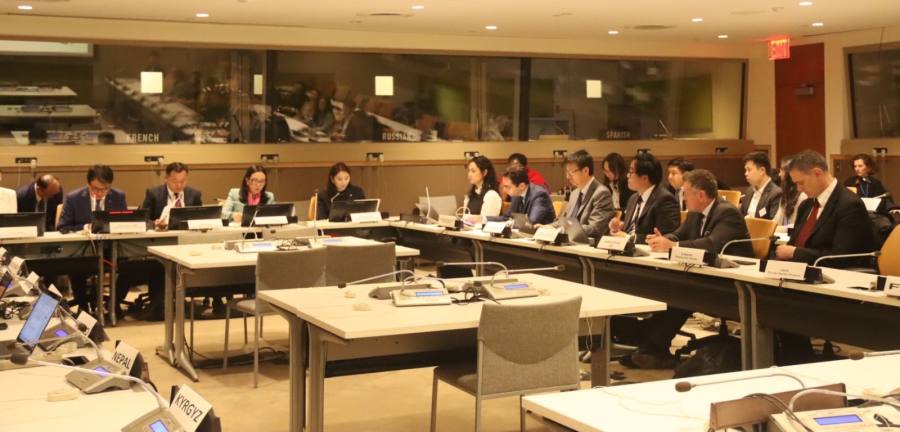
Ulaanbaatar, April 27, 2026 /MONTSAME/. The 2026 Financing for Development Forum was held at United Nations Headquarters in New York City from April 20 to 24.
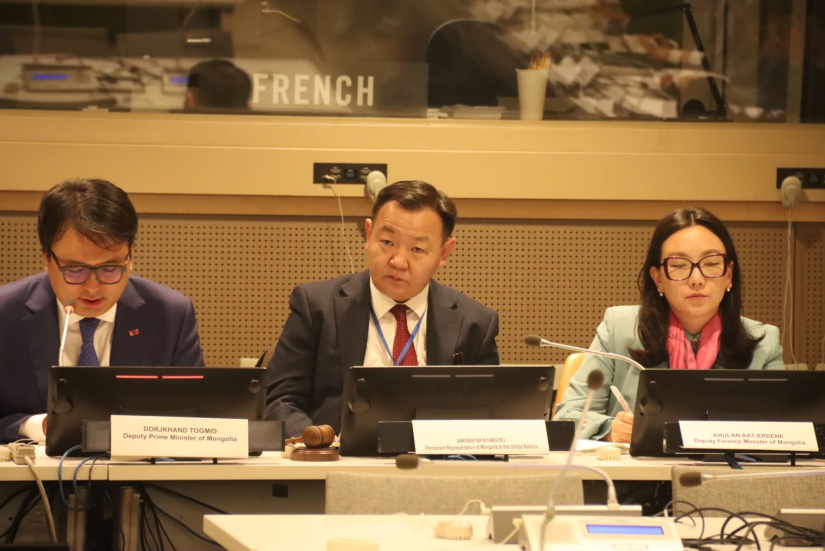
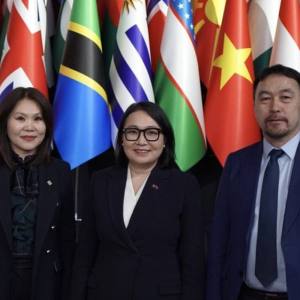
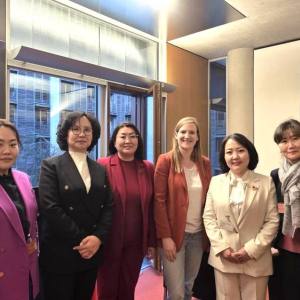
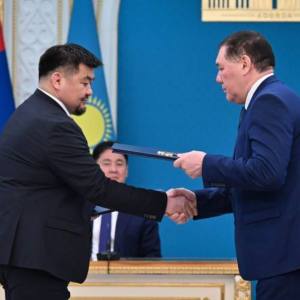
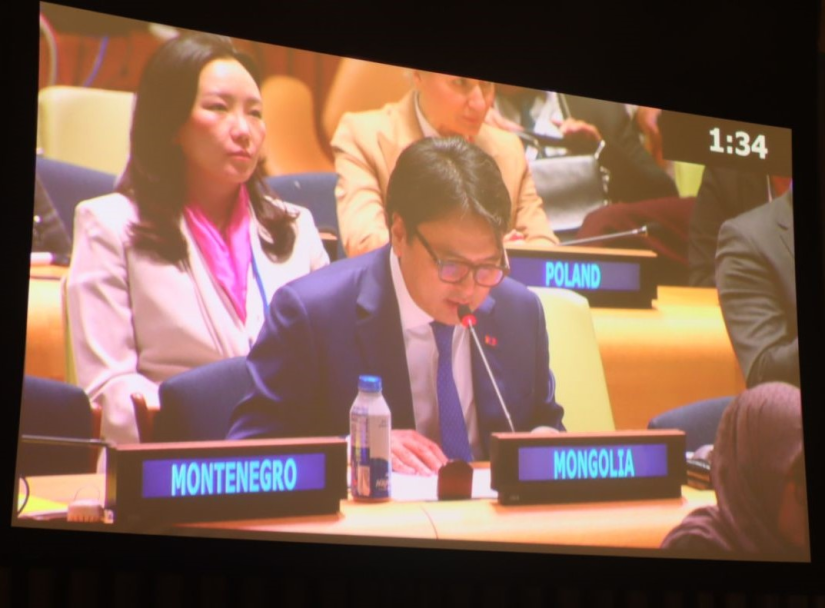
A delegation led by Deputy Prime Minister Dorjkhand Togmid and Deputy Minister of Finance Khulan Bat-Erdene attended the forum.
In
his remarks, Deputy Prime Minister Dorjkhand highlighted major obstacles to
increasing development financing worldwide, including rising debt burdens and
borrowing costs, declining official development assistance, limited domestic
fiscal resources, and disruptions to trade and investment flows. He stressed
that the current moment requires stronger global solidarity and renewed
commitments through multilateral cooperation.
He
also reaffirmed the Seville Commitments,
which outline an updated financing framework for implementing the 2030
Sustainable Development Agenda, and presented measures being taken by the
Government of Mongolia to improve both foreign and domestic investment
conditions. He further invited member states, the United Nations, and other
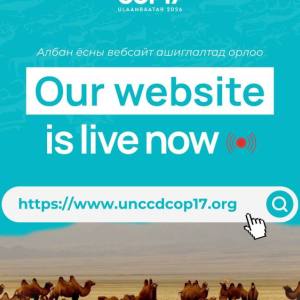
international organizations to actively participate in the 17th Conference of
the Parties to the United Nations Convention to
Combat Desertification (UNCCD), which Mongolia will host.
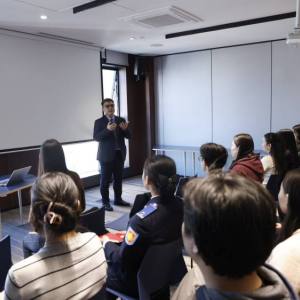
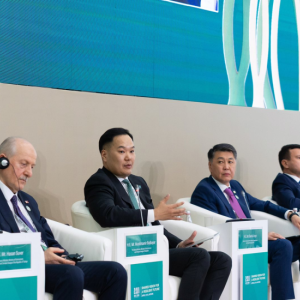
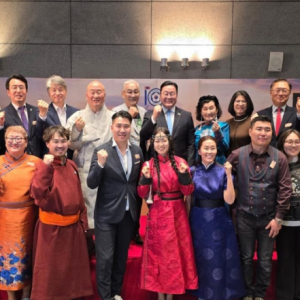
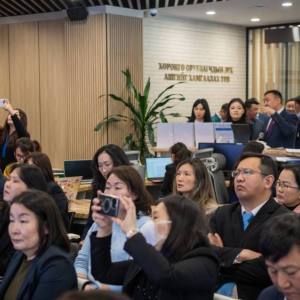
On the sidelines of the forum, a high-level side event on scaling up financing to combat land degradation and desertification was held at UN Headquarters. The event was jointly organized by Mongolia’s Permanent Mission to the United Nations, the Business Council of Mongolia, the Mongolian Sustainable Finance Association, and CMM Mongolia. The side event was supported by the Secretariat of the UNCCD, the World Bank, and the Global Environment Facility.
Deputy Prime Minister Dorjkhand opened the session, while UNCCD Executive Secretary Ibrahim Thiaw delivered a video message of appreciation.
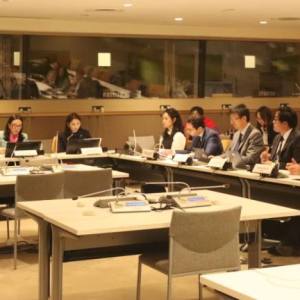
More than 85 representatives attended, including delegates from 12 member states such as the United Kingdom, El Salvador, Kyrgyzstan, Uzbekistan, United Arab Emirates, Japan, Nepal, India, European Union, Nicaragua, Mexico, and France, along with over 50 representatives from Mongolia’s public and private sectors and officials from international organizations including the United Nations Development Programme, Food and Agriculture Organization, and the United States Environmental Protection Agency, the Ministry of Foreign Affairs said.