

Mongolia to Implement Project to Reduce Hazardous Chemical Use
Environment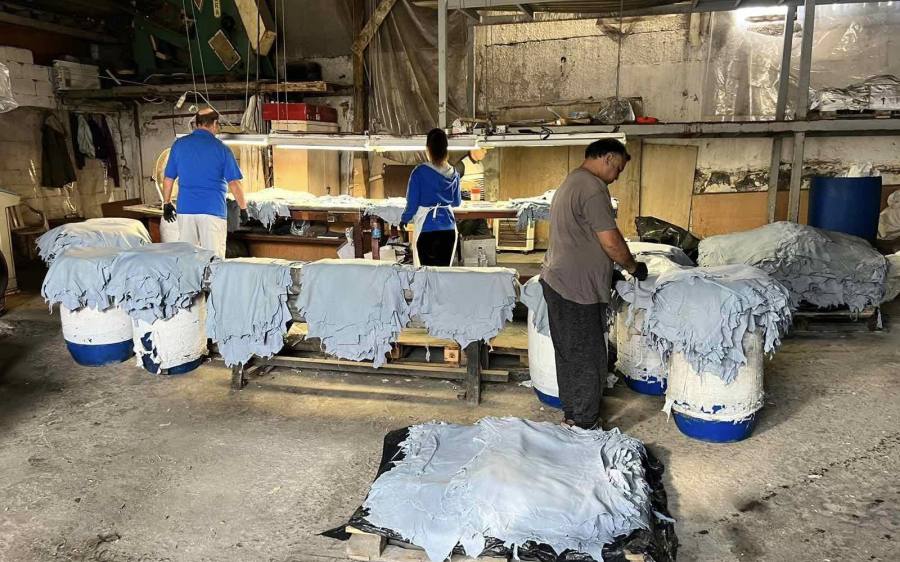
Ulaanbaatar, April 10, 2026 /MONTSAME/. A project to reduce the use of hazardous chemicals in Mongolia’s wool, cashmere, and leather supply chains will be implemented.
The
project will be carried out in Ulaanbaatar, as well as in Darkhan, Erdenet,
Khuvsgul, and Uvurkhangai aimags. It aims to cut the use of dangerous chemicals
across the supply chain and promote sustainable, circular economy-based
production. This is expected to reduce negative impacts on the environment and
human health, according to Batzorig. L, an expert in charge of chemical policy
and planning at the Ministry of Environment and Climate Change.
The
initiative will also introduce solutions to reduce and reuse waste generated by
the wool, cashmere, and leather sectors. In addition, an inventory of hazardous
chemicals will be conducted this year, alongside the launch of life-cycle
assessments.
As a result, the project aims to reduce greenhouse gas emissions by 573,875 tons of CO₂ equivalent, as well as cut the use of persistent organic pollutants.
The
project will support Mongolia’s implementation of the Stockholm Convention, to
which the country is a party, and will be carried out in phases, including
baseline studies, impact assessments, and capacity-building training.
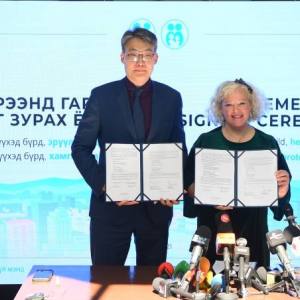
Funded by the Global Environment Facility, the project will be implemented jointly by the United Nations Development Programme, the Ministry of Environment and Climate Change, and the Ministry of Food, Agriculture, and Light Industry. It forms part of an international environmental program to be carried out in eight countries over a period of 72 months.