

Marmot Reintroduction in Tarvagatai Mountains Shows Strong Recovery
Environment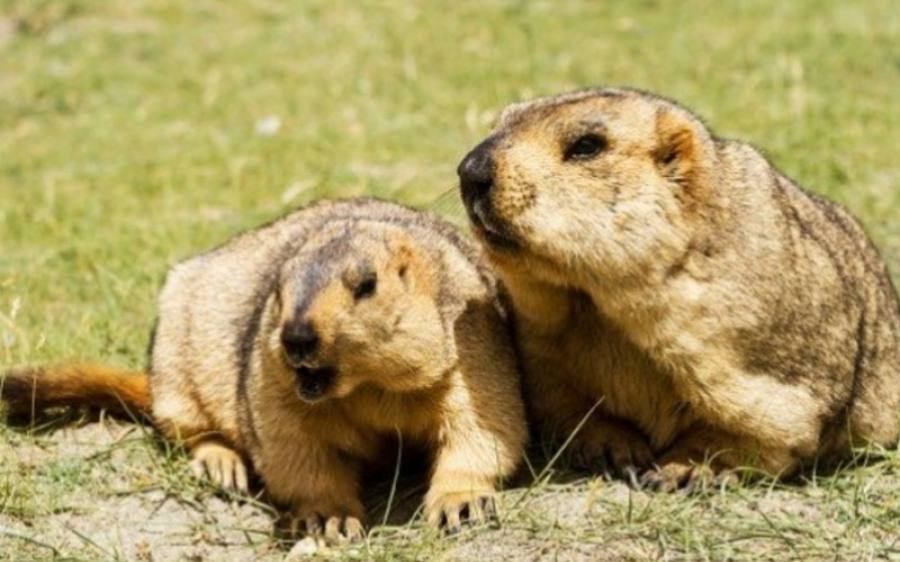
Uliastai, April 7, 2026 /MONTSAME/. The population of reintroduced marmots in the Tarvagatai Mountains has successfully adapted, with its range expanding and growth remaining stable, researchers at the Tarvagatain Nuruu National Park reported.
Since
2020, researchers from the Institute of Biology of the Mongolian Academy of
Sciences, together with specialists and rangers from the protected area, have
been carrying out marmot reintroduction efforts.
Marmot
groups released in 2023 and 2024 have shown positive results, successfully
adapting to their habitats and expanding their distribution range. Officials
highlighted that conservation activities involving local communities have been
effective.
As
part of the program, a total of 80 marmots have been reintroduced in Ulziit and
Battsengel soums of Arkhangai aimag, and
the Tarvagatain Nuruu protected area, and in Tosontsengel and Ikh-Uul soums of Zavkhan aimag. The animals were handed over to
local authorities, rangers, and community members for protection. In Zavkhan aimag,
marmots were translocated from populations in Yaruu soum.
Marmots play a vital ecological role by aerating soil and supporting vegetation growth. However, their population has declined sharply over the past 60 years and is now classified as endangered. According to studies, Mongolia’s marmot population dropped from around 20 million in 1990 to about 5 million by 2001—a decline of 75 percent in just over a decade.
With an average lifespan of about six years, marmot populations have decreased by more than 50 percent over the last three generations, largely due to illegal hunting. As a result, hunting marmots for household or commercial purposes is periodically banned to support population recovery and to help prevent the spread of plague.
Authorities also prohibit unauthorized hunting and the consumption of marmot meat and raw materials, urging the public to strictly comply with these regulations.“Animals themselves help protect ecosystems and create habitats for other species. Therefore, humans should also protect and care for them,” said Bolor-Erdene D, public relations specialist at the Environment Department of Zavkhan aimag.