

Mongolia to Expand International Cooperation to Combat Desertification
Environment
Ulaanbaatar,
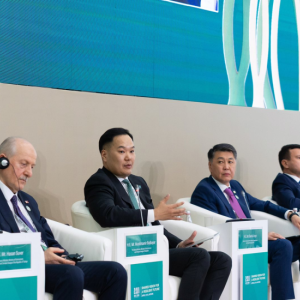
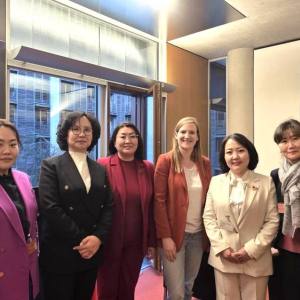
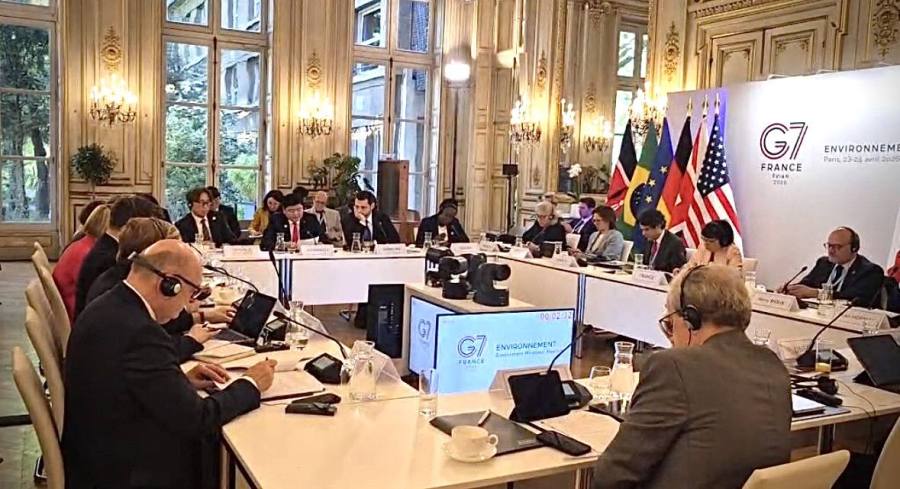
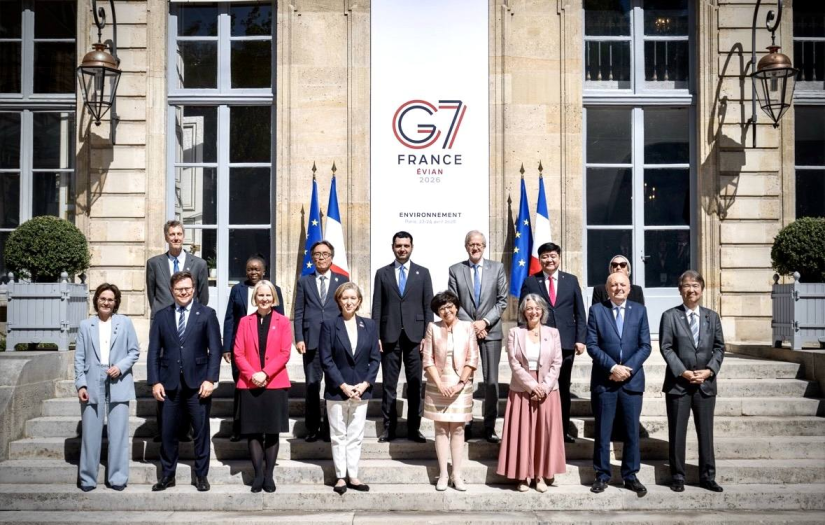
April 27, 2026 /MONTSAME/. Mongolia participated by invitation in the G7
Environment Ministers’ Meeting held in France, where it presented policy-level
initiatives aimed at addressing climate change and combating desertification.
In recent
years, the G7 has expanded participation by inviting other countries to join
discussions on specific themes. This time, alongside Mongolia, environment
ministers from South Korea, Türkiye, Kenya, Albania, Australia, India, and
Brazil, as well as representatives from international organizations, took part.
The meeting focused on pressing climate change challenges and potential
solutions.
 In connection
with hosting the 17th Conference of the Parties (COP17) to the United Nations
Convention to Combat Desertification (UNCCD) from August 17–28, Mongolia
introduced its experience and policy directions. Within this framework, it put
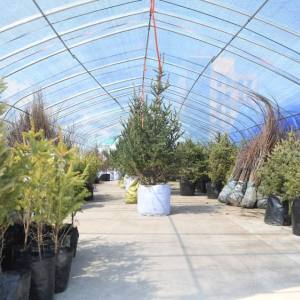
forward three key initiatives: sharing its experience in combating
desertification, promoting sustainable water use and increasing water
resources, restoring degraded rangelands, and advancing nature-based green
solutions.
In connection
with hosting the 17th Conference of the Parties (COP17) to the United Nations
Convention to Combat Desertification (UNCCD) from August 17–28, Mongolia
introduced its experience and policy directions. Within this framework, it put
forward three key initiatives: sharing its experience in combating
desertification, promoting sustainable water use and increasing water
resources, restoring degraded rangelands, and advancing nature-based green
solutions.
Additionally,
Mongolia proposed a comprehensive policy initiative called the “Steppe Agenda,”
aimed at tackling climate change, desertification, and land degradation, while
also outlining new directions for international cooperation.
This initiative
will serve as Mongolia’s key policy proposal under UNCCD COP17. During the
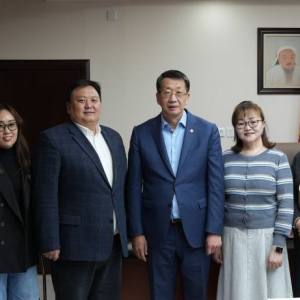
meeting, bilateral discussions were also held with environment ministers from
France, South Korea, Kenya, and Italy to expand cooperation in climate action
and desertification mitigation, as well as to enhance financing, technology
transfer, and knowledge exchange.
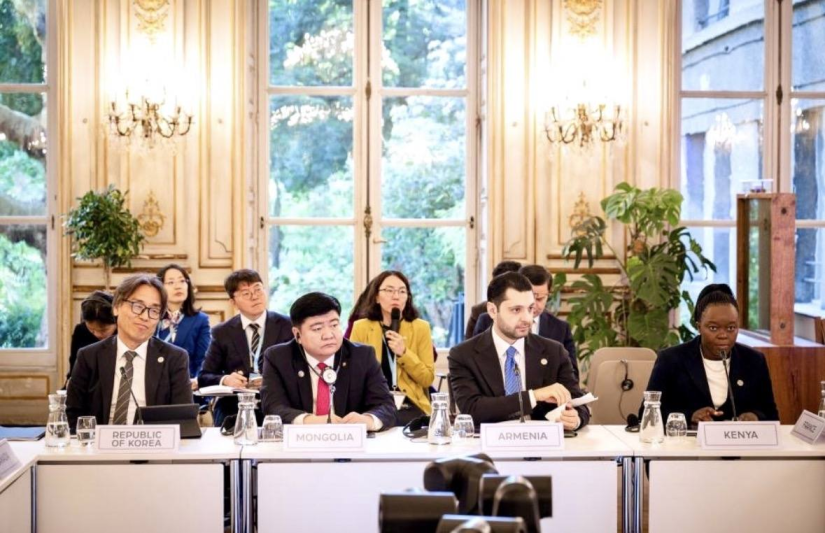
Minister of
Environment and Climate Change Sandag-Ochir Tsend emphasized that as global
environmental challenges intensify, the need to increase funding for environmental
protection is becoming ever more urgent. He noted that economies, food systems,
and social resilience are directly dependent on the environment and land,
underscoring that conservation, restoration, and the sustainable use of
ecosystems must remain top priorities.
 He also
welcomed the establishment of the “Finance Coalition for Nature and People” as
a timely and important initiative. However, he pointed out that biodiversity
financing remains insufficient, fragmented, and disconnected, stressing the
need to ensure that funding delivers tangible and measurable results.
He also
welcomed the establishment of the “Finance Coalition for Nature and People” as
a timely and important initiative. However, he pointed out that biodiversity
financing remains insufficient, fragmented, and disconnected, stressing the
need to ensure that funding delivers tangible and measurable results.
Mongolia is
currently updating its National Biodiversity Strategy and Action Plan in
alignment with the Global Biodiversity Framework. Preliminary estimates suggest
that approximately USD 810 million will be required to implement this plan by
2030.
Environmental
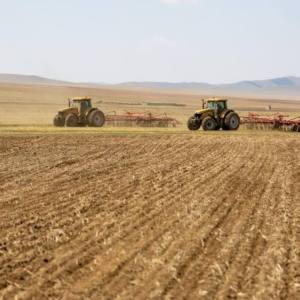
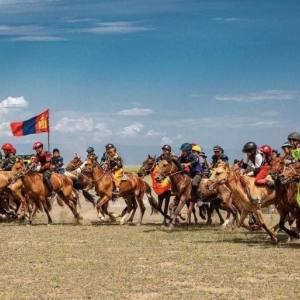
stewardship is deeply embedded in Mongolia’s nomadic pastoral traditions, which
are based on living in harmony with nature. However, rapid development and
climate change are disrupting this delicate balance.
As the host
country of UNCCD COP17, Mongolia is working to develop the “Steppe Plan” into
an implementation platform. Through this initiative, the country expects to
make a meaningful contribution to achieving global environmental goals.
By
participating in the G7 meeting, Mongolia has reinforced its position in
advancing policy initiatives on the international stage and expanding
cooperation in environmental protection.