

Gobi Biodiversity Institute Inaugurated
Environment

Ulaanbaatar, February 6, 2026 /MONTSAME/. The Gobi Biodiversity Institute (GoBI), established to study and protect ecosystems in southern Mongolia, was officially inaugurated on February 5.
The GoBI will be the national center for long-term,
systematic research on the Gobi ecosystem, providing scientifically grounded
data to support policy development. It plans to conduct activities, including monitoring
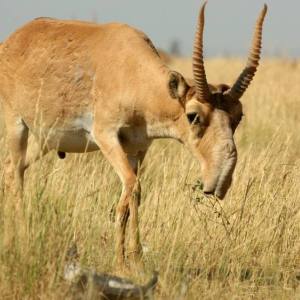
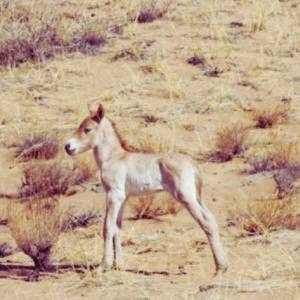
biodiversity in the Gobi region, studying wildlife populations, assessing
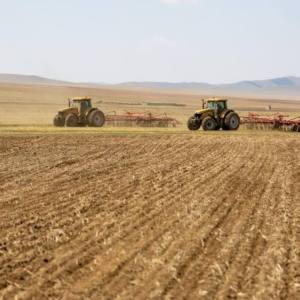
ecosystem resilience, and analyzing land use and impacts of mining. The institute
will also develop data-driven recommendations for policymakers.
The Gobi region plays a vital role in the ecological
stability of Mongolia and the wider arid regions of Central Asia. At a time
when nearly 40 percent of the world’s drylands are degraded which affect the
livelihoods of 3.2 billion people, experts note that Mongolia’s Gobi could serve
as an important international research site for addressing climate change and
desertification.
The opening of the GoBI comes
at a particularly significant time, as Mongolia prepares to host the 17th
Conference of the Parties (COP17) to the UN Convention to Combat
Desertification this August.
In his speech at the opening, State
Secretary of the Ministry of Environment and Climate Change Batbayar
Shurenchuluun, emphasized that environmental policy must be grounded in science
and data. He noted that more than 76 percent of Mongolia’s territory has
experienced some form of degradation and that the country’s average air
temperature has risen by 2.3 degrees Celsius over the past 70 years.
“Protecting nature must be based on research and data, not slogans,” he
stressed.
The Institute will operate as
a non-profit, independent scientific organization, aiming to bring together
national and international research institutions, government bodies, the
private sector, and global partners. Through this collaboration, Mongolia seeks
to elevate its science-based environmental conservation policies to a new level
and contribute to global sustainability efforts.