

Mongolia, EAEU Trade Deal Brings Opportunities, Challenges: Experts
Economy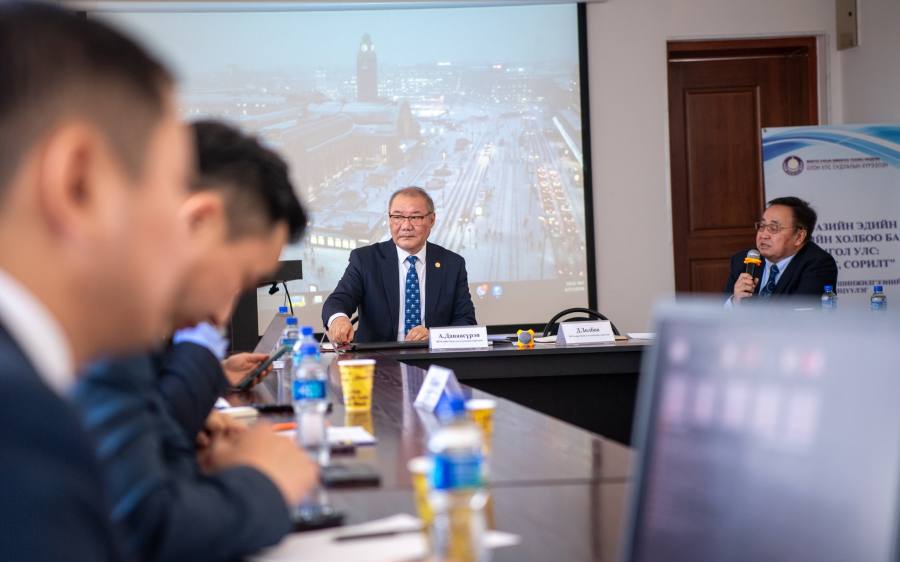
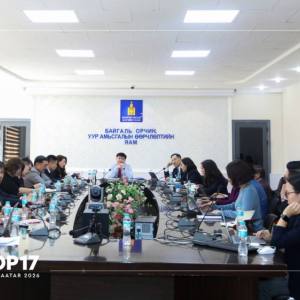
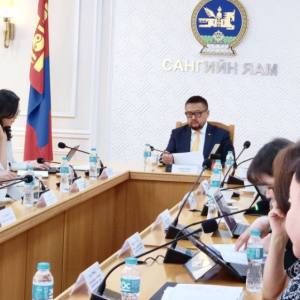
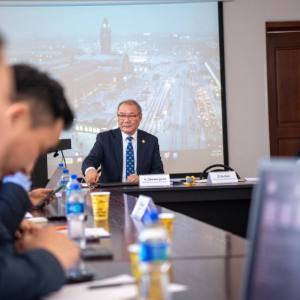
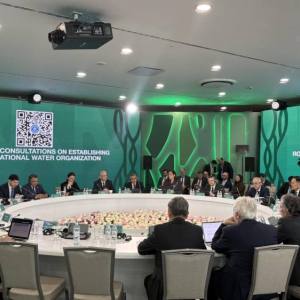
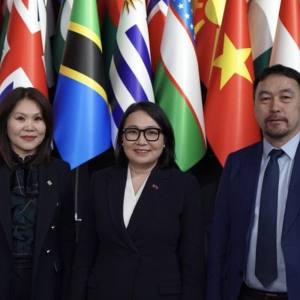
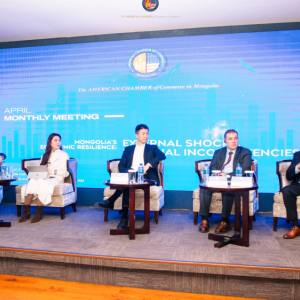
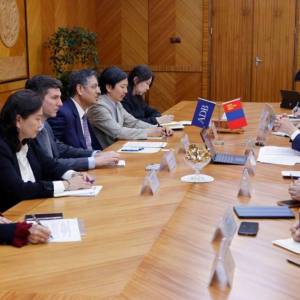
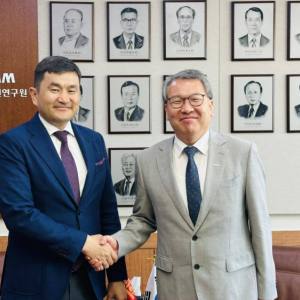
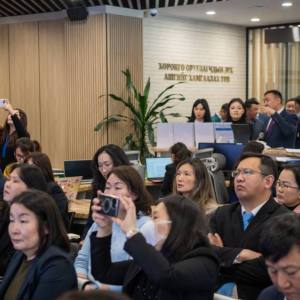
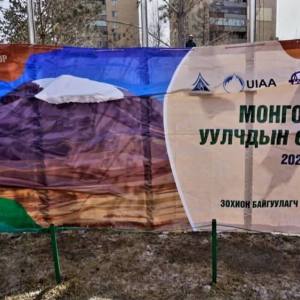
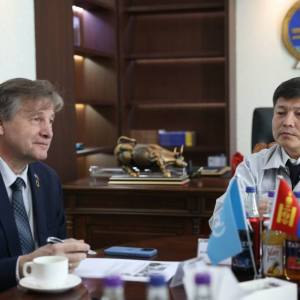
Ulaanbaatar, April 28, 2026 /MONTSAME/. The Institute of International Studies organized an academic discussion titled “The Eurasian Economic Union and Mongolia: Opportunities and Challenges.”
The
event aimed to examine, with broad stakeholder participation, the
implementation of the Interim Trade Agreement between Eurasian Economic Union (EAEU) member states and
Mongolia, as well as its impact on
economic policy, trade, exports, imports, and future opportunities and risks.

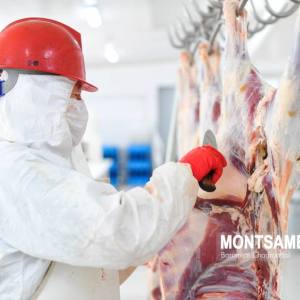
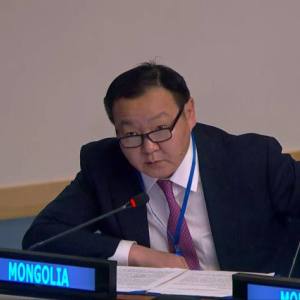
Speakers included Davaasuren A., senior researcher at the Institute of International Studies, who presented on current trade relations between Mongolia and the EAEU member states; Prof. Otgonsaikhan N., Ph.D., of the Business School at National University of Mongolia, who spoke on the agreement’s impact on Mongolia’s foreign trade; and Tsendsuren D., Ph.D., chair of the Ethics Subcommittee of the General Customs Administration, who discussed trade facilitation and institutional cooperation mechanisms. Davaasuren noted that Mongolia ratified the interim trade agreement in December 2025 and said more time is needed to assess whether it will be beneficial. He added that several important issues were not fully addressed and should be improved. These include incorporating tariff preferences for petroleum products and electricity imported from Russia, on which Mongolia remains dependent. He also said more flexible arrangements - such as tariff relief and eased technical requirements for Mongolian meat exports to Russia and other EAEU states - would benefit both sides.

Prof.
Ulambayar D. of the University of the Humanities
said Mongolia is not a member of the EAEU, though it had once been invited to
become the bloc’s sixth member. He said more than 95 percent of the 370 product
categories to be imported from Mongolia by EAEU members are agricultural goods,
making the agreement important for Mongolian exports. Meanwhile, around 81
percent of goods exported from the five member states to Mongolia are
industrial and chemical products that are hardly produced domestically,
and he said exempting them from customs duties would be appropriate.
He added that quotas remain in place for certain imports such as eggs and wheat, with tariffs of up to 100 percent applied beyond quota levels. Mongolia’s exports remain heavily concentrated in mining products destined for China, while agricultural exports have struggled to access neighboring regional markets. Because Russia is now part of the EAEU, such trade issues can no longer be handled solely through bilateral agreements, making the interim arrangement a practical solution, he said.
The interim trade agreement between Mongolia and the EAEU was signed on June 27, 2025, and ratified by the State Great Khural on December 12, 2025. Valid for three years, it provides mutual customs tariff preferences on more than 370 product categories classified under the Harmonized System.
Under the
agreement, tariffs of 15 to 50 percent imposed on Mongolian agricultural
exports—particularly livestock products—may be reduced. It also opens the
possibility of cutting import tariffs by up to 89 percent on 42 categories of
machinery and goods not produced in Mongolia but essential for construction and
manufacturing.
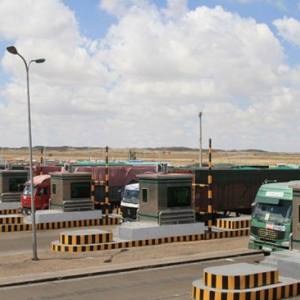
The agreement also includes measures to resolve non-tariff barriers, such as completing bilateral customs clearance within four hours, marking an important step toward trade facilitation. Participants stressed the need to monitor implementation, consider adding strategically important imports not currently covered, remove remaining barriers facing Mongolian exports, and develop policy responses to geopolitical risks.