Loading…
Loading…

MONTSAME
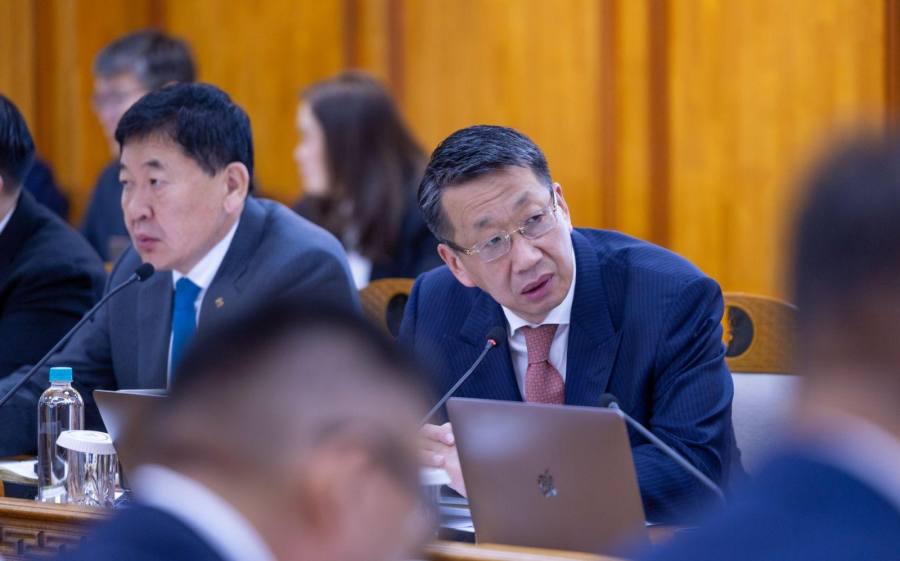
Ulaanbaatar, May 27, 2026 /MONTSAME/. At its regular session, the Cabinet approved a resolution to implement the “One Student-One Computer, One Classroom-One Smart Board” initiative.
The resolution will come into effect on September 1, 2026. It aims to introduce artificial intelligence and advanced technologies into education and training activities, develop educational content, learning resources, and platforms for teachers, students, parents, and guardians, and equip every child with a computer and every classroom with a smart board.
At the Cabinet meeting on May 27, First Deputy Prime Minister and Minister of Economy and Development Enkhbayar Jadamba and Minister of Education Enkh-Amgalan Luvsantseren were tasked with approving a phased implementation plan for 2026-2028, organizing implementation, determining required funding estimates, conducting relevant studies, identifying investment sources, and exploring possibilities to finance the initiative through loans and other non-budgetary sources without relying on state budget funding.
As part of the “Chuluulye” initiative, the Government decided to implement the “Free Mongolian children and youth from knowledge and skills gaps” program from 2026 to 2028. Within this framework, the Government aims to reduce disparities in the quality of urban and rural schools, as well as public and private schools, by creating equal learning environments where every child has access to educational materials, internet connectivity, and computers. The Prime Minister emphasized that this will help children in remote soums and settlements overcome educational disadvantages and knowledge gaps.
Nationwide, 717 public general education schools are operating during the 2025-2026 academic year. Currently, there is one digital device for every 11 students, while 3,362 out of 18,838 classrooms are equipped with smart boards.
More than 20,000 pieces of open-access content have been uploaded to the Ministry of Education’s MEDLE content platform, including 11,265 lessons, 147 textbooks, 4,024 televised lessons, 230 interactive learning contents, 3,500 interactive exercises and worksheets, 805 virtual laboratories, and 413 digital skills courses. In addition, digital education platforms such as Pearson, Eduten, and Mozaik Education have already been introduced into educational activities.
However, authorities noted that disparities in digital learning infrastructure and access to equipment among schools could further widen inequalities among students.


